About Us
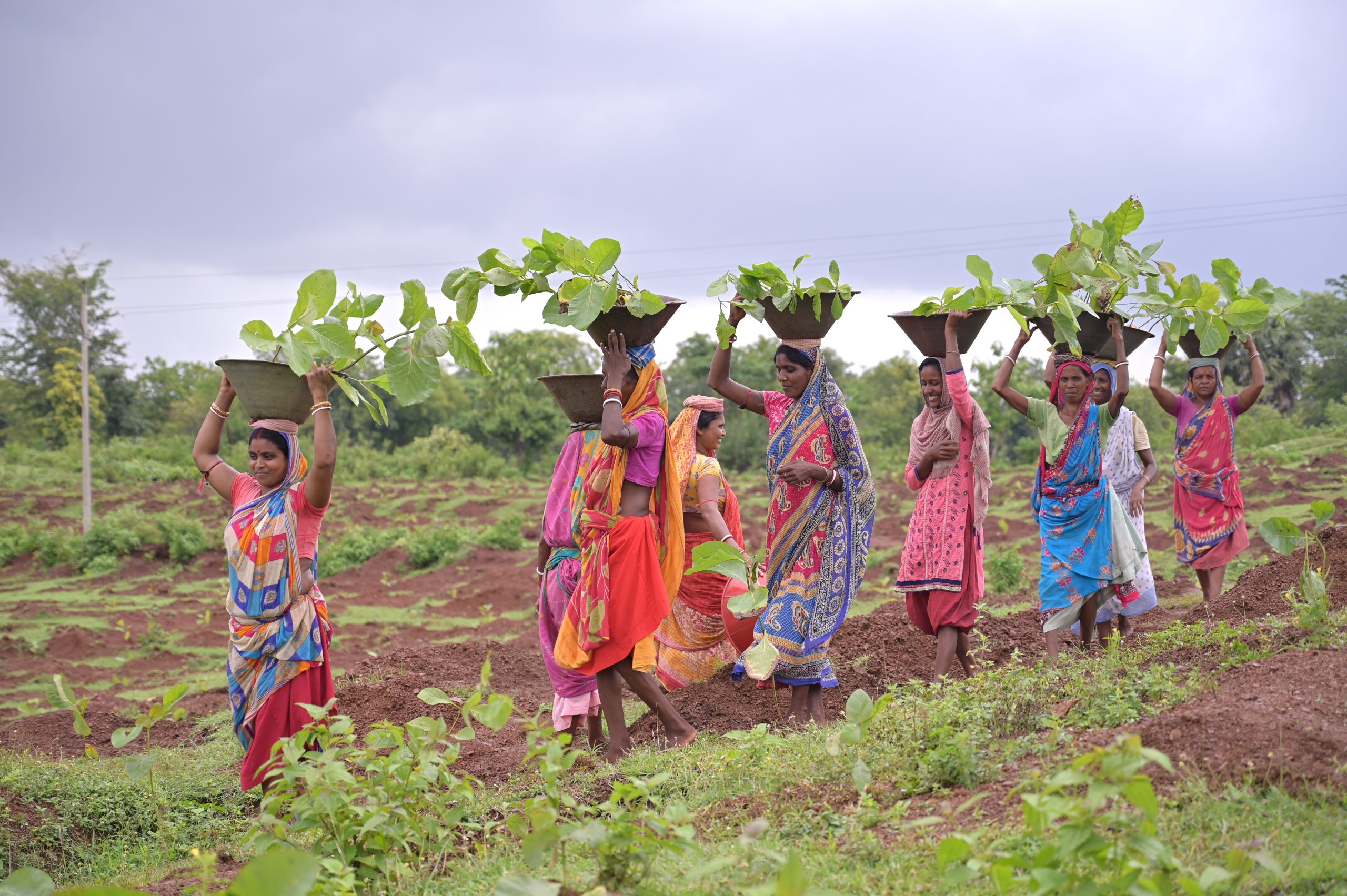
The Aadivasi Welfare Foundation (AWF), a Section 8 not-for-profit organization, was founded on November 26, 2018, to promote environmental and social sustainability through social forestry and tribal development. Over the past 6 years, AWF has planted over 7.9 million trees in tribal-dominated states of India including Odisha, Jharkhand, Bihar, Madhya Pradesh, Karnataka, and Uttarakhand, providing sustainable livelihoods to rural tribal communities throughout the plantation process.
Our tree planting initiative targets approximately 1.59 billion kg of carbon sequestration annually upon maturity. We work to conserve the habitat of various endemic and endangered species, reduce human-animal conflict by densifying forest cover, fulfill the basic needs of forest-dependent villagers, and enhance regional biodiversity.
AWF achieves its objectives through collective community efforts by sensitizing villages about the benefits of tree planting, wildlife protection, and sustainable practices. We strive to understand community needs and integrate their opinions into our interventions to boost the green economy and bridge economic gender gaps.
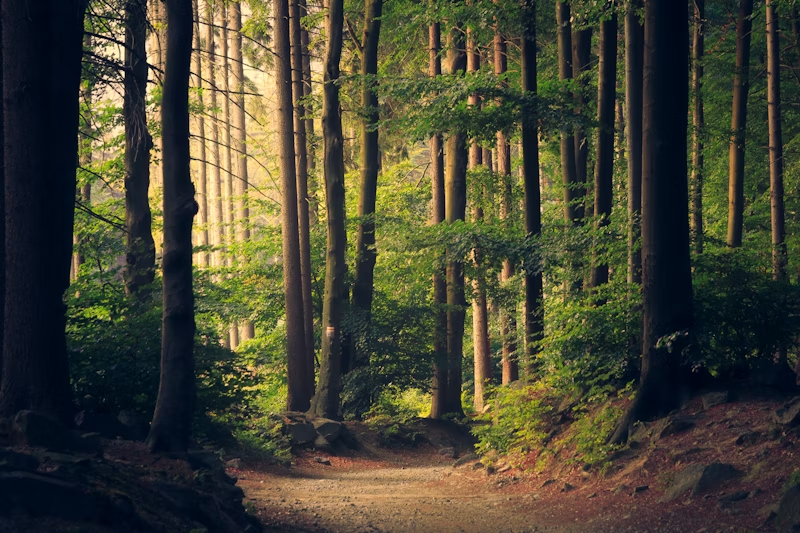
At AWF, we believe in promoting the economic and social empowerment of rural and tribal communities through a comprehensive range of initiatives designed for livelihood diversification. We focus on developing multiple income streams and reducing reliance on single sources of income.
Our initiatives encompass education, healthcare, and cultural revitalization of tribal arts and crafts. Every project is designed to provide sustainable livelihoods while ensuring gender perspectives are integrated into all development aspects, promoting gender equity and women's empowerment alongside eco-friendly practices and cultural heritage preservation.
We employ a participatory approach, working closely with local communities to identify their unique needs and design tailored projects. Our team of experts provides comprehensive end-to-end support, from project ideation to implementation and monitoring, ensuring our initiatives create meaningful positive impact on the ground.
To promote environmental and social sustainability through social forestry and tribal development, empowering rural communities with sustainable livelihoods while conserving biodiversity and addressing climate change through nature-based solutions.
To create thriving tribal communities that live in harmony with nature, where sustainable forest management provides economic opportunities while preserving cultural heritage and protecting vital ecosystems for future generations.
The talented individuals who make our success possible
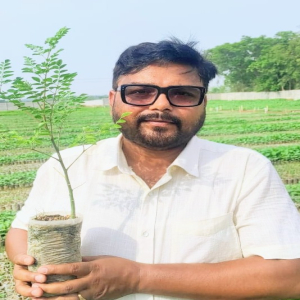
Mr. Himanshu Kumar has a Bachelor of Arts in Sociology and passion for...

Mr. Bhupeshwar Giri is a dedicated professional with a Bachelor of Art...

Ms. Aditi Pandey is a non-executive director with AWF and currently he...

Mr. Sunil Limaye, an officer of the Indian Forest Service from the Mah...

Manu Kapoor is a distinguished corporate leader with over for...

Mr. Ranjan Sharma, holding an MBA and LLB, is a valuable member of our...

Mr. D N Naveenkumar, an Agricultural Engineering graduate, joins our t...
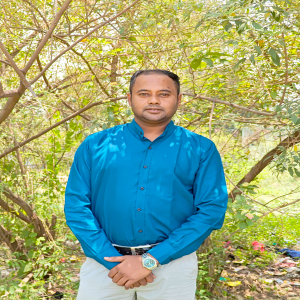
Mr. Vivek Rajak, a B.Tech in Mechanical Engineering, boasts 13 years o...
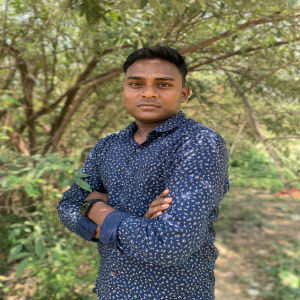
Mr. Rohit Prasad, a Diploma holder in Civil Engineering, brings 7 year...
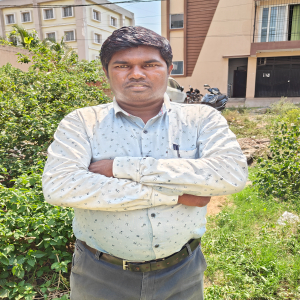
Mr. Ashok Mohanta, holding a Diploma in Mechanical Engineering, carrie...
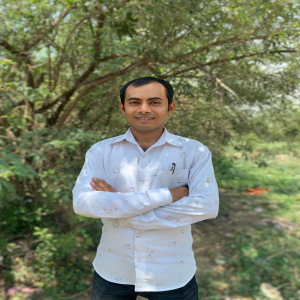
Mr. Panchanan Mandal, a graduate with five years of experience in soci...
The principles that guide everything we do

Soil health is crucial to maintaining a healthy ecosystem, but we often ignore it. AWF works to avoid soil erosion by creating awareness of the importance of organic farming and promoting methods that protect the soil. By focusing on land conservation, AWF aims to ensure that the land remains productive and healthy for generations to come.

Water is essential for life, but we often neglect the importance of saving our water bodies and wetlands. AWF is committed to creating and rejuvenating water bodies to hold rainwater and improve the water table. By encouraging people to take responsibility for water conservation, AWF aims to ensure that future generations have access to clean water.

Forests are vital for the planet's health and well-being, and AWF believes in protecting and improving forest areas. To achieve this, AWF creates community awareness and encourages participation in massive tree plantation activities. By promoting the importance of forests, AWF aims to preserve this vital resource for future generations.

Climate change is one of the most significant environmental challenges we face today. AWF recognizes this and is working to reduce the temperature through tree plantation efforts. By promoting tree plantation as a means of reducing the impacts of climate change, AWF aims to create a healthier planet for future generations.

Wildlife plays a crucial role in the ecosystem, and AWF recognizes the importance of improving wildlife habitats and reducing human-animal conflict. By planting trees in and around wildlife sanctuaries, AWF aims to create a more suitable habitat for wildlife. Additionally, by involving rural communities that depend on the forest, AWF aims to reduce human-animal conflict and ensure that wildlife continues to thrive.

Tribal communities have traditional practices, culture, and art & crafts that are essential to the preservation of the ecosystem. AWF recognizes this and is working with tribal communities to train, protect and promote their traditional art & craft. By involving tribal communities in our conservation efforts, AWF aims to create a more sustainable future that preserves the environment and supports local cultures.