Our Work Model
AWF’s Work Model / Project Implementation Process:
AWF’s work model is centered around community-led, sustainable development with emphasis on ecological restoration, livelihood support, and long-term impact.
Project Identification & Planning:
Identify suitable areas such as barren lands, degraded landscapes, or sites needing ecological restoration.
Work closely with local leaders, Gram Panchayats, and authorities before undertaking any project.
Community Engagement:
Consult with local communities and stakeholders through meetings and focus groups.
Co-create project plans with villagers, especially emphasizing traditional knowledge and community needs.
Women’s participation is prioritized in planning and decision-making to ensure inclusive engagement.
Capacity Building:
Train local groups and village collectives to care for planted trees and manage conservation activities.
Provide training in sustainable practices, like agroforestry, beekeeping, handicrafts, and small-scale enterprise skills for economic empowerment.
Species Selection and Technical Preparation:
Select native or naturalized tree species appropriate for the local ecological conditions to ensure high survival rates and ecosystem benefit.
Consult environmental experts and community members to determine the best mix of species.
Implementation (Plantation & Conservation):
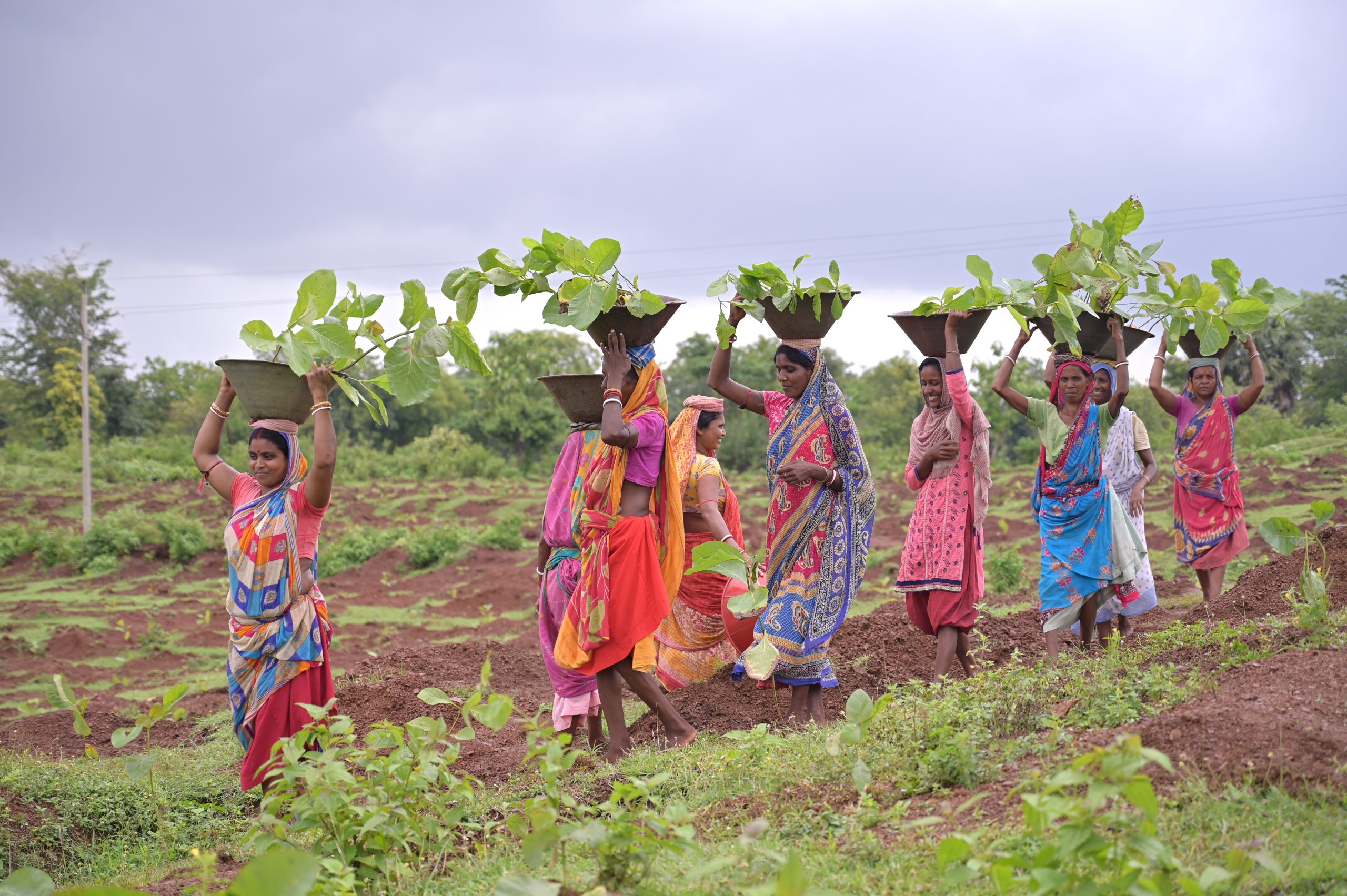
Prepare land and plant trees on identified sites with community participation.
Activities often include digging pits, planting saplings, and providing initial watering and care.
AWF ensures technical support and tools are available to villagers during this phase.
Monitoring & After-Care:
Establish monitoring systems to track tree growth and site conditions.
Train local teams to manage after-care tasks like watering, protection against grazing or fires, and maintenance.
Long-term survival and health of trees are regularly checked by AWF teams.
Livelihood Integration:
Integrate livelihood opportunities into the conservation model:
Beekeeping and honey farming
Handicraft and artisanal training
Fisheries and waterbody rejuvenation
Sustainable agriculture techniques
This links environmental work with economic benefits for villagers.
Impact Measurement & Reporting:
AWF tracks impact metrics like the number of trees planted, employment generated, water conserved, and communities reached.
Data and results are compiled into reports for transparency and planning future work.
Feedback & Adaptation:
AWF reviews outcomes and incorporates community feedback into subsequent project cycles.
Each year’s experience informs adjustments to methodology and practices.
🧭 Summary of the Core Principles:
Participatory approach: drawing on local knowledge and ensuring community ownership.
Sustainability: ecological choices (native species, long-term care) and livelihood outcomes.
Capacity building: training and local leadership development.
Monitoring & impact tracking: ongoing measurement of ecological and social outcomes.